Relief wall tiles
Information
What they are
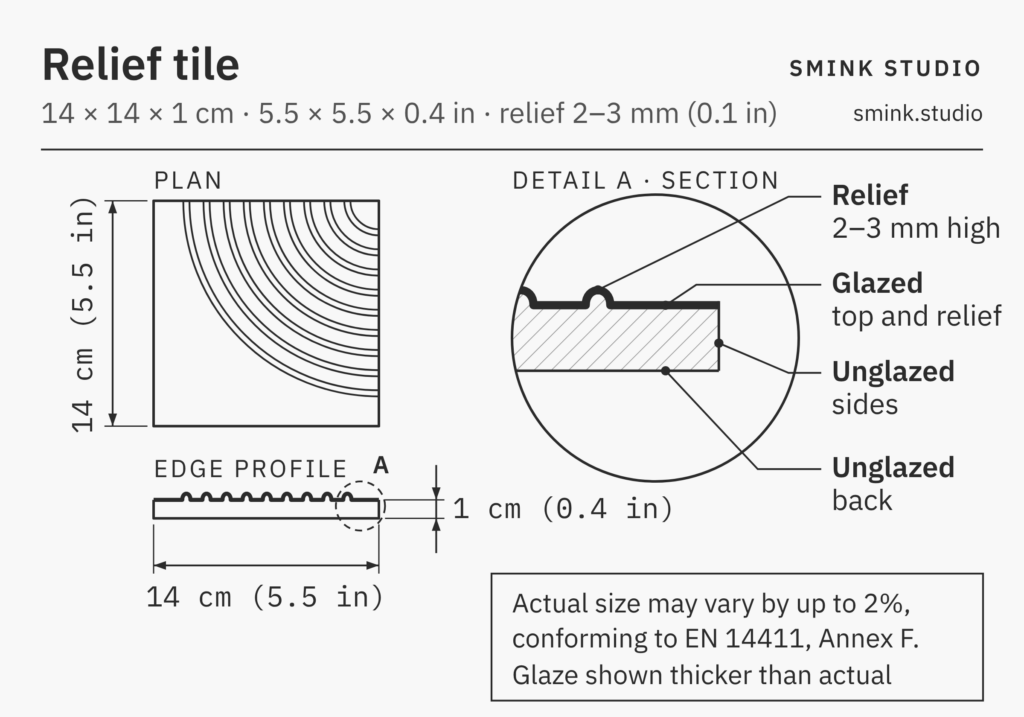
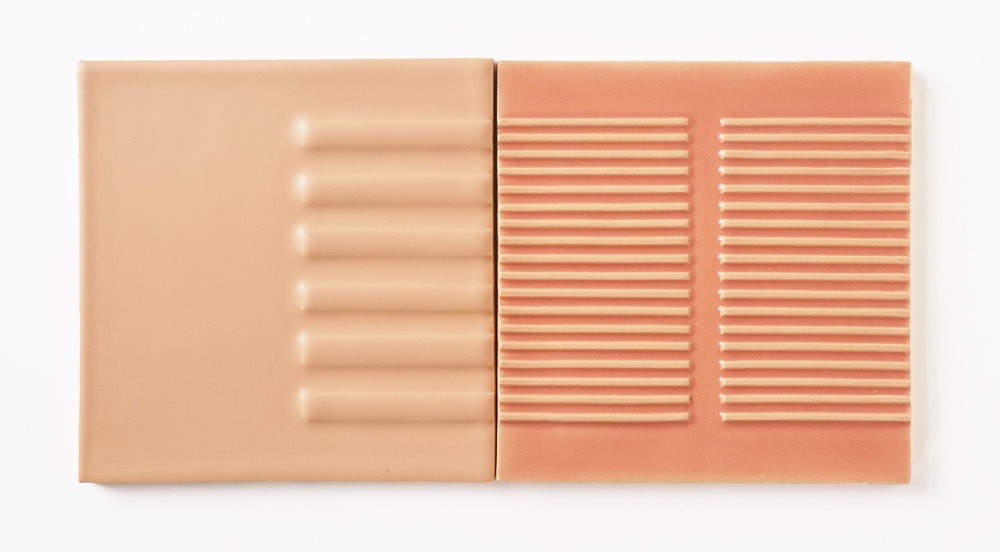
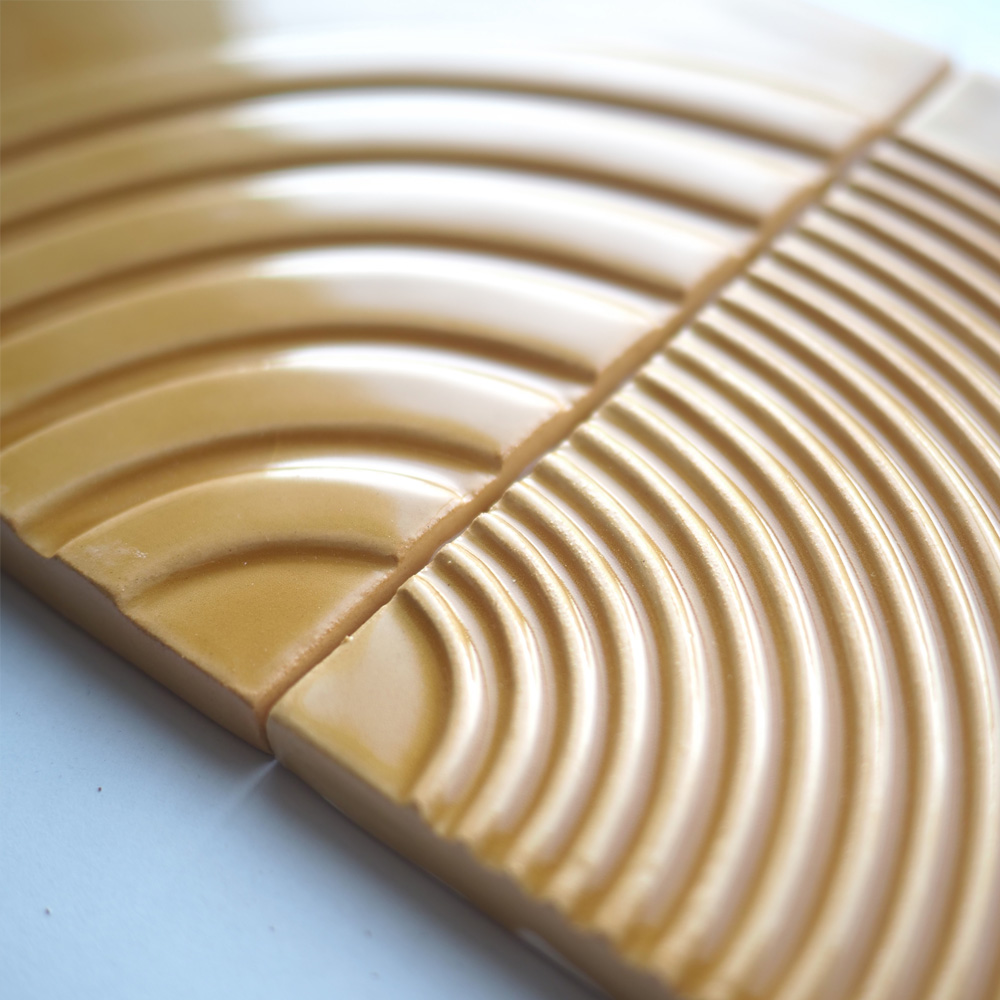
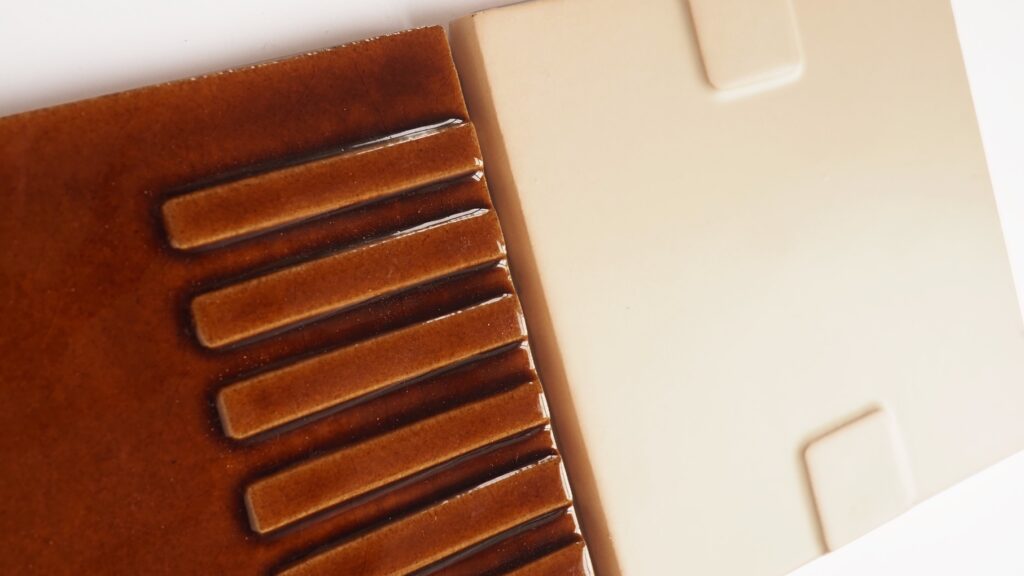
A handmade ceramic tile, about 14 cm square, pressed by hand with a raised pattern and finished in a single glaze. The pattern is not printed: it is formed as a relief in the clay.
Why designers use them
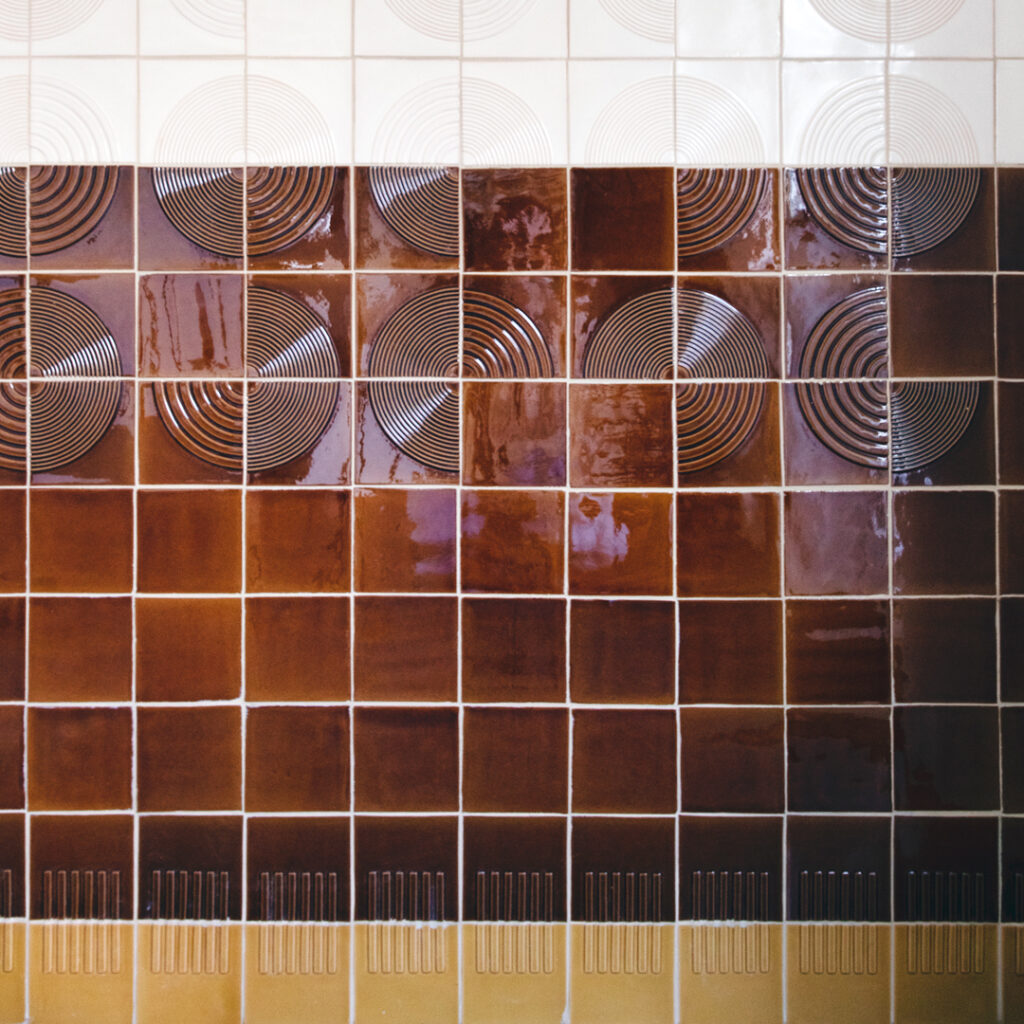
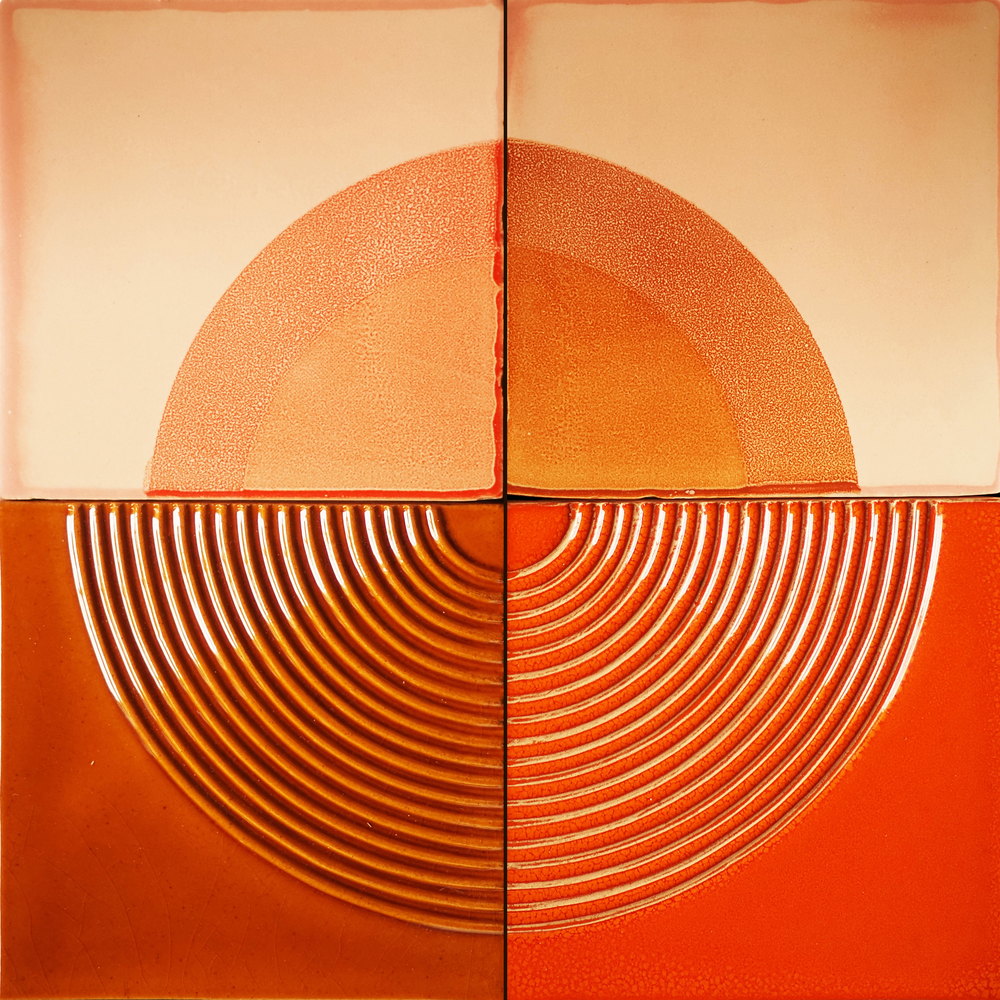
– Light draws the pattern: the glaze pools in the hollows and thins over the raised edges, so the design appears in light and shadow.
– A wall that changes through the day: morning sun, evening lamplight and a downlight each combine with the tiles to create a different kind of wall.
– Works well with grazing light (light positioned close to the vertical surface): light from the side or from above, such as a window or a downlight, bring out the relief most strongly.
– Texture over colour: with one solid glaze per tile, the surface contains the design, so even a pale wall has depth.
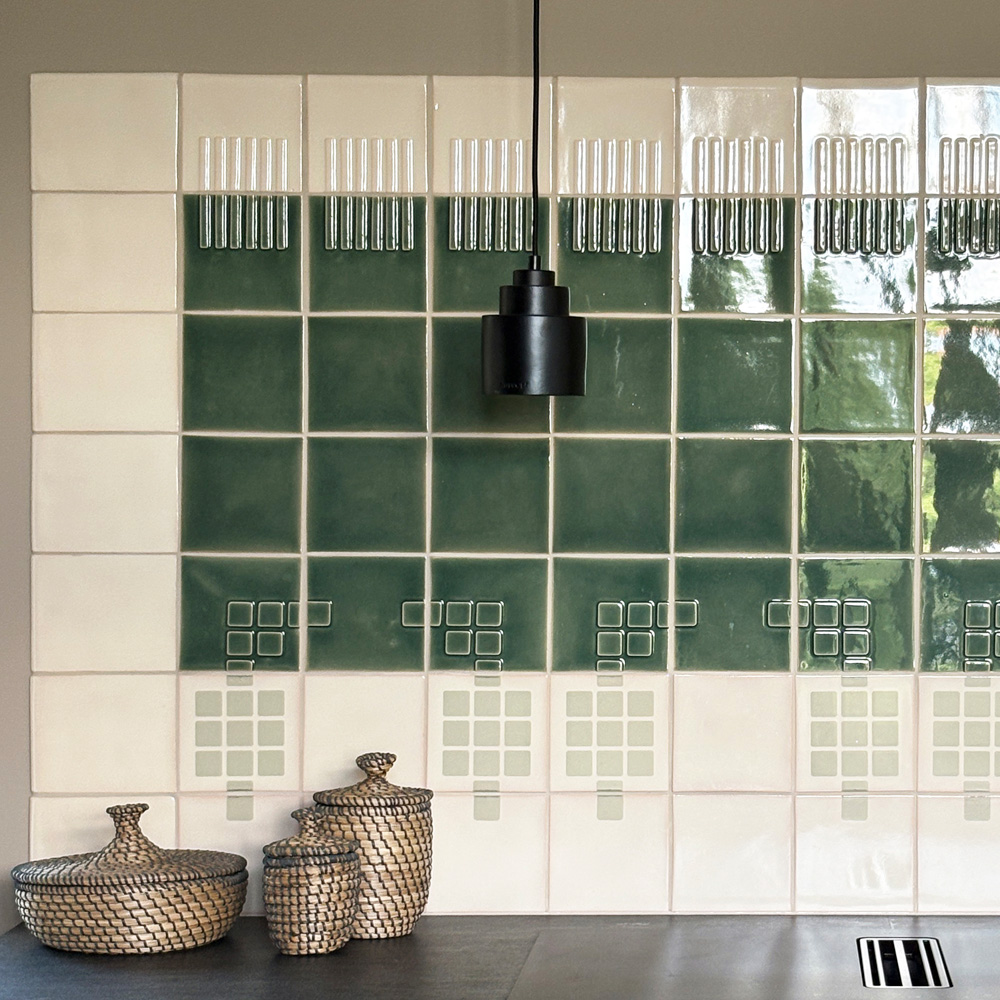
– Combines with print: the relief shapes match our screen-printed designs, so the two can share a wall.
Size
Measurements: approx 14 x 14cm / 5.5 x 5.5 inches. As with all handmade tiles, length and width can vary by up to 2%.
Thickness: 1 – 1.3 cm / 3/8 – 1/2 inch when raised 3D shape included.
50 tiles per m2 / 4.65 tiles per sq. ft.
How they are made
Each tile is made by hand, then pressed one at a time in a hand-operated press while the clay is still soft. Once dry, it is fired, glazed and fired again. The glaze pools in the hollows and thins over the raised edges, so the pattern shows itself through light and shadow, and changes as the light moves through the day.
Glazes and designs
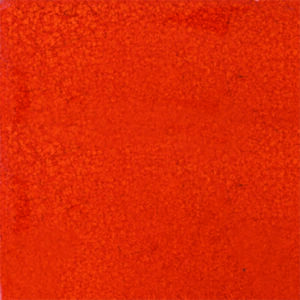
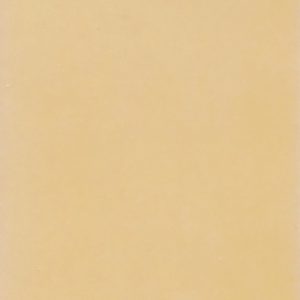
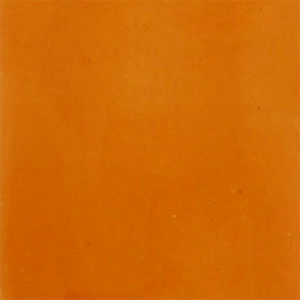
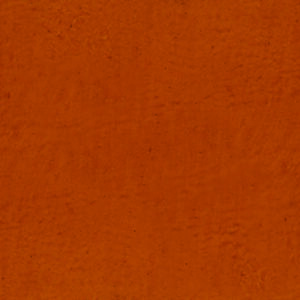
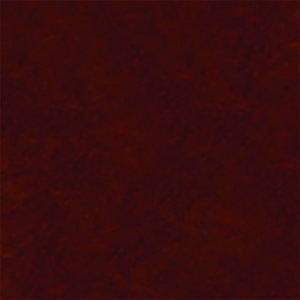
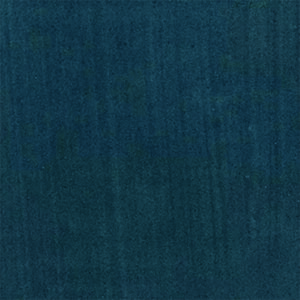
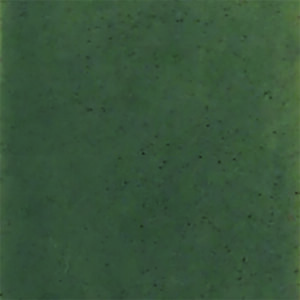
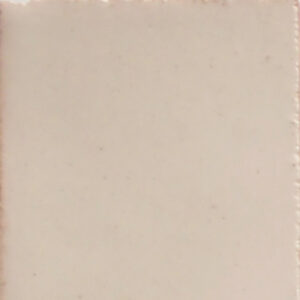
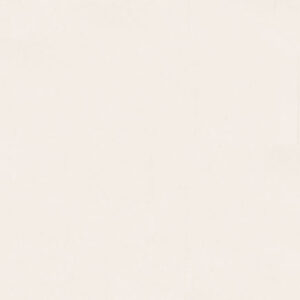
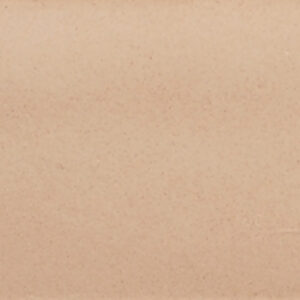
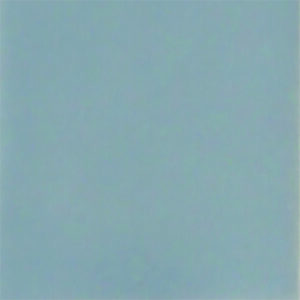
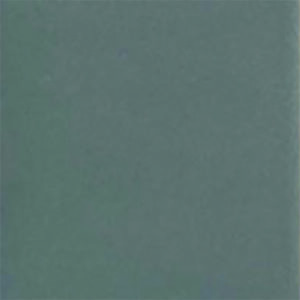
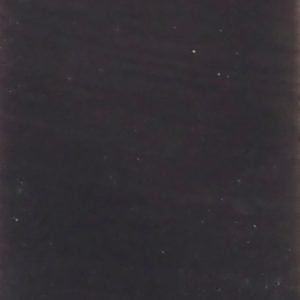
There are around 30 core colours on our Relief colour card; other glazes are available on request.
Each tile has one solid glaze.
Minimum 3 m² / 33 sq ft (about 150 tiles) per glaze colour.
Relief tiles cannot be screen-printed, but their shapes match our screen-printed designs, so the two can be combined.
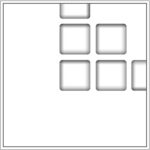
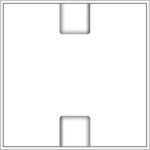
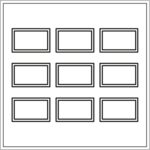
There are fourteen different Relief shapes and a plain pressed tile.
Characteristics
Relief tiles have characteristic differences to mass-produced tiles although they are more regular than our normal tiles because they are pressed. A certain amount of unevenness in the surface and irregularity of the side and corners of the tiles is to be expected. As with unpressed tiles, grout combines all these minor imperfections into one installation which has the look and feel of handmade, hand-pressed tiles.
Uses
Relief tiles suit bathrooms, feature walls, splashbacks and panelling (wainscoting). A row of bullnose tiles finishes the top edge neatly.
To start, tell us about your space and what inspires you.
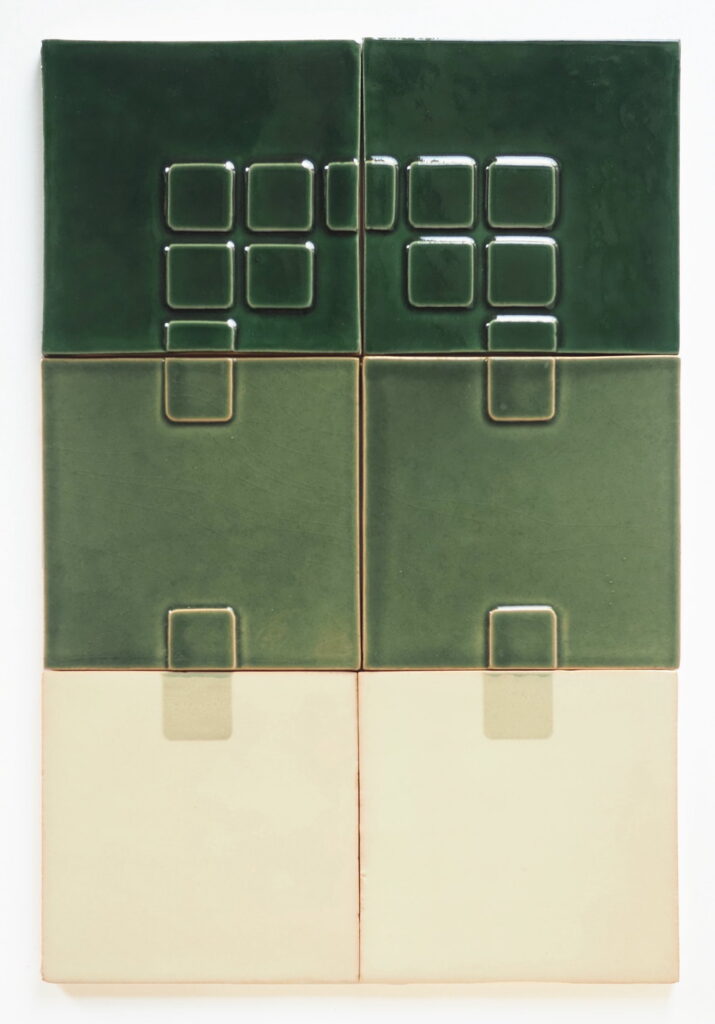
Available tiles

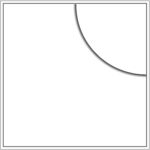
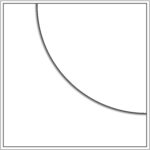
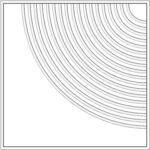
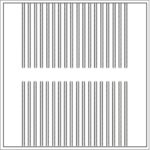
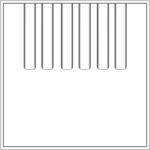
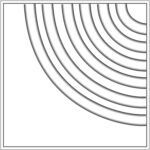
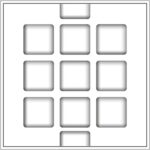
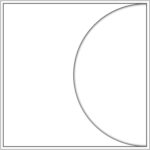
Colours
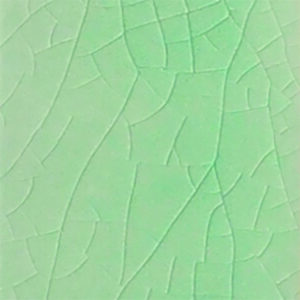
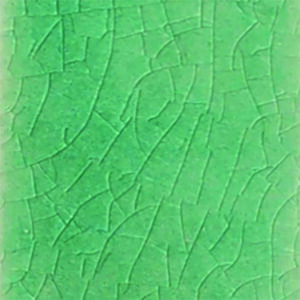
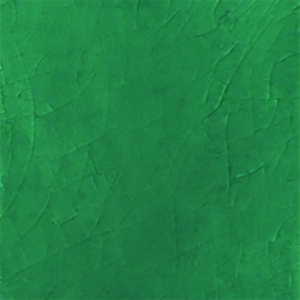

Detail images

Useful information
- Format: 14 × 14 cm / 5.5 × 5.5 in, pressed by hand.
- Finish: one solid glaze per tile, gloss or matt.
- Uses: panelling, splashbacks, bathrooms and feature walls.
- Combining: relief shapes match our screen-printed designs.
- Durability: frost- and stain-resistant, confirmed by independent laboratory tests.
- Installation: standard adhesive and grout; the grout colour changes how strongly the relief reads.
- Care: wipe with a damp cloth and a mild cleaner.
A question? A project? Advice?