Shape tiles
Information
What they are
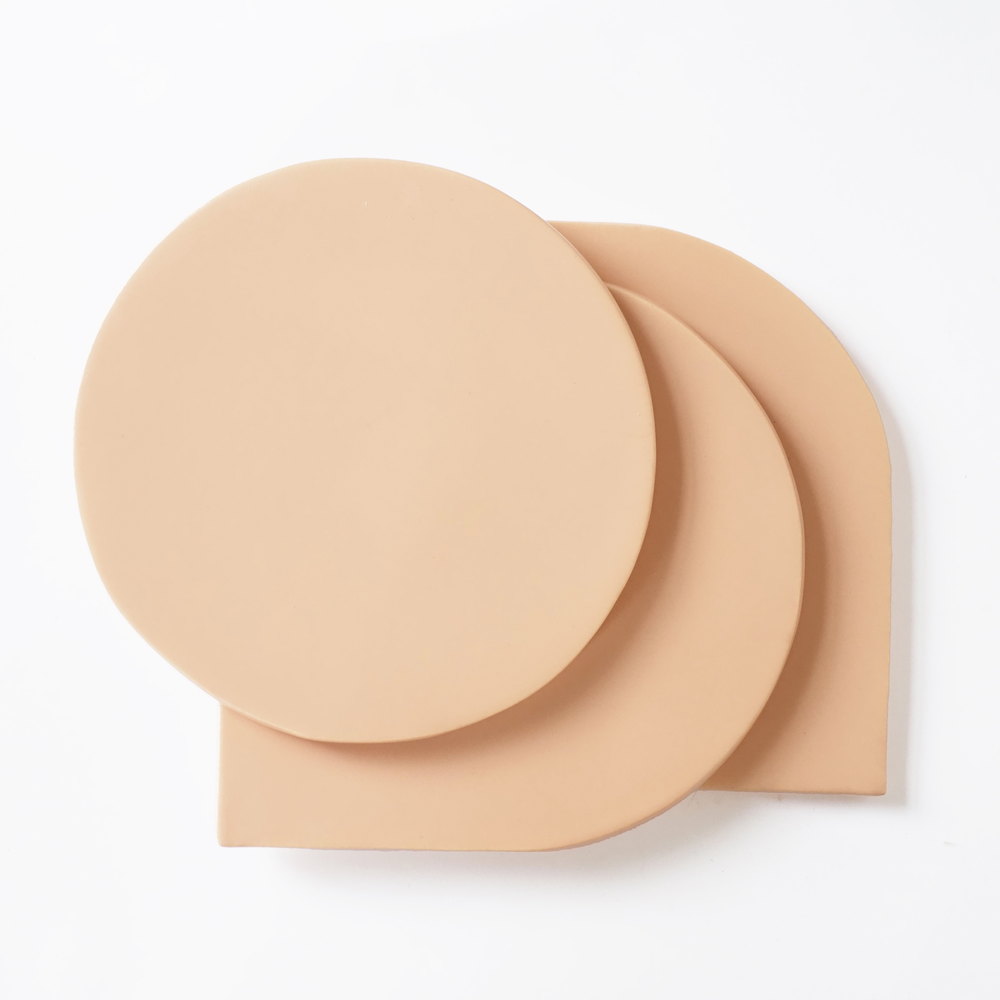
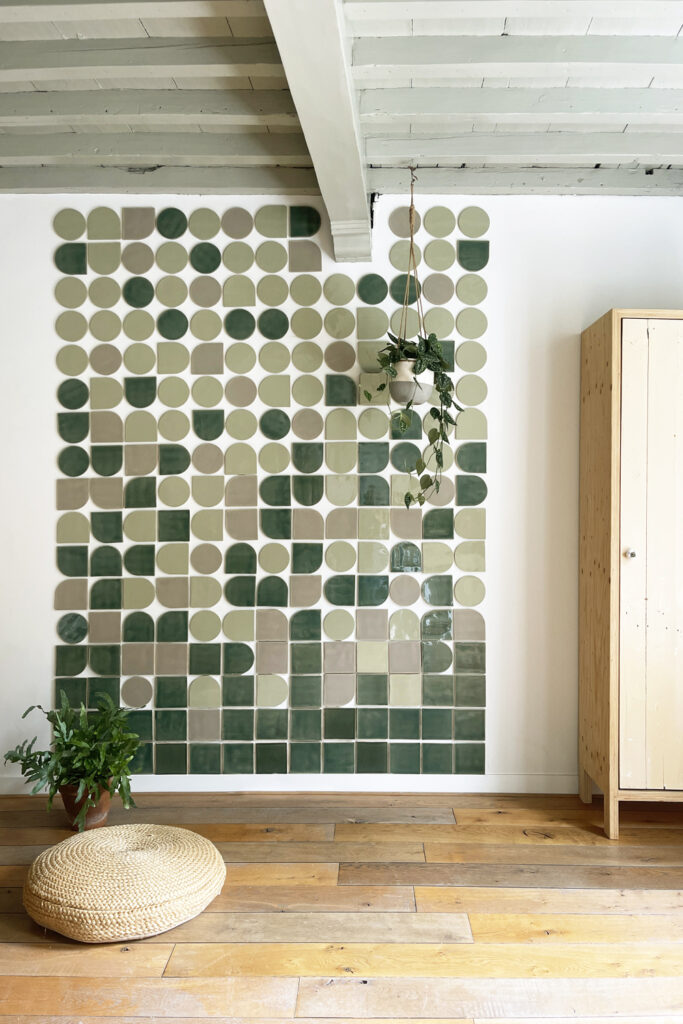
Handmade ceramic tiles with curved outlines rather than square ones, each about 14 cm across and finished in a single glaze. Laid together, they break up the grid of a conventional tiled wall.
Why designers use them
– Beyond the grid: curved outlines give a wall a rhythm that square tiles cannot.
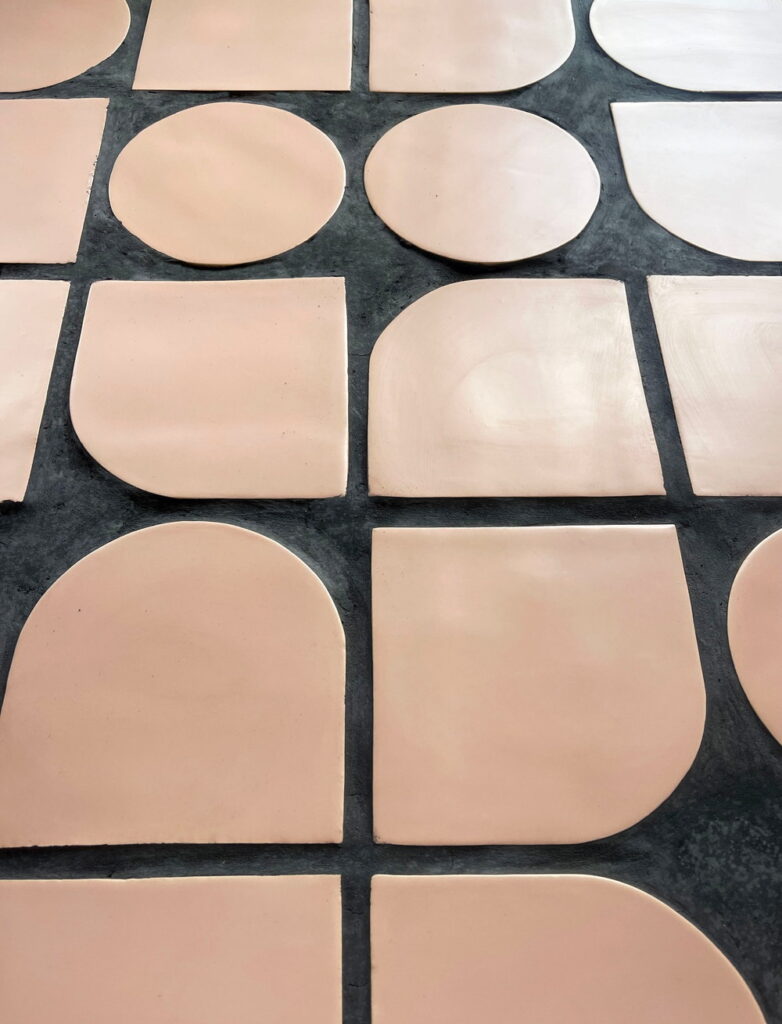
– Shadow at the joints: laid with open joints, each tile casts its own shadow, giving a tactile, three-dimensional surface.
– Two looks from one tile: open joints for depth, filled joints for a calmer, flatter wall.
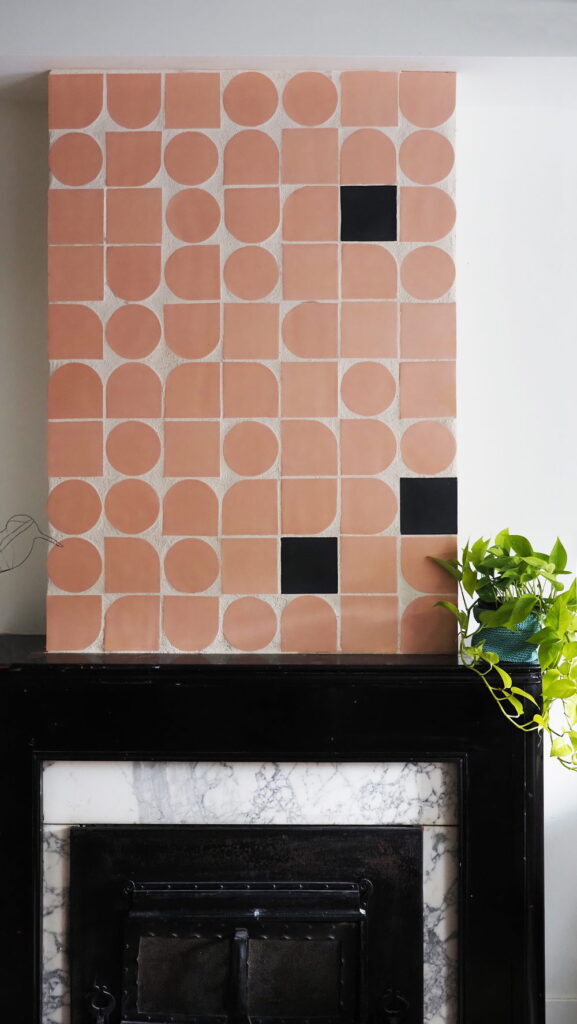
– Mix and repeat: combine the three shapes, and their colours, in a layout drawn for your space.
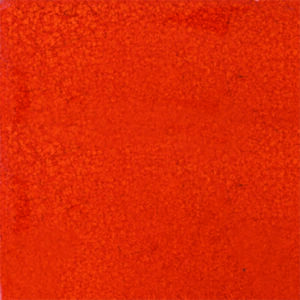
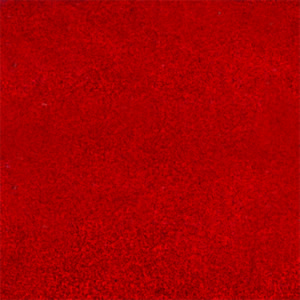
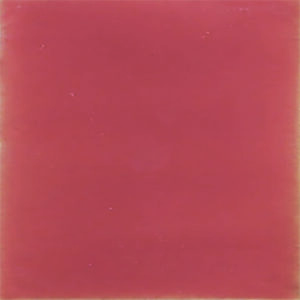
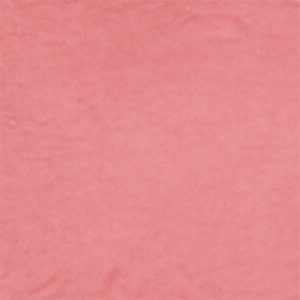
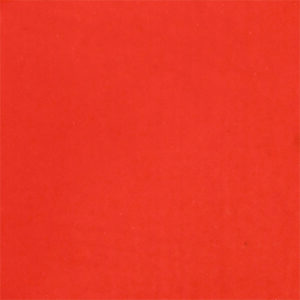
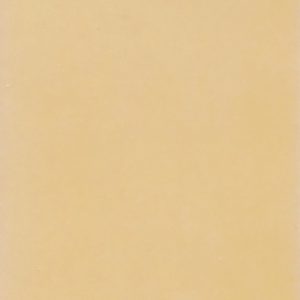
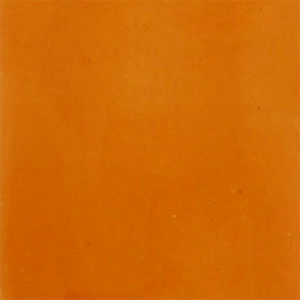
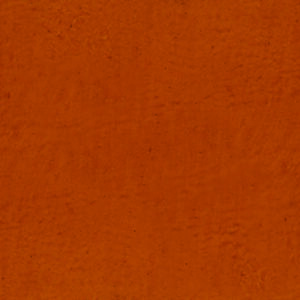
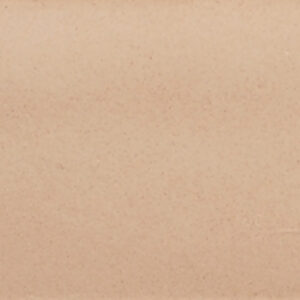
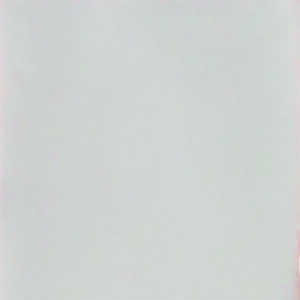
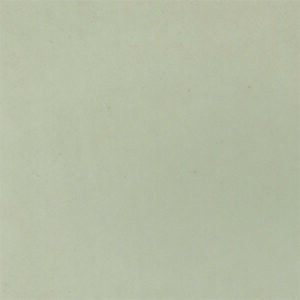
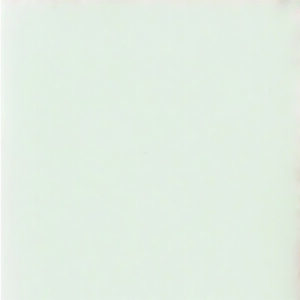
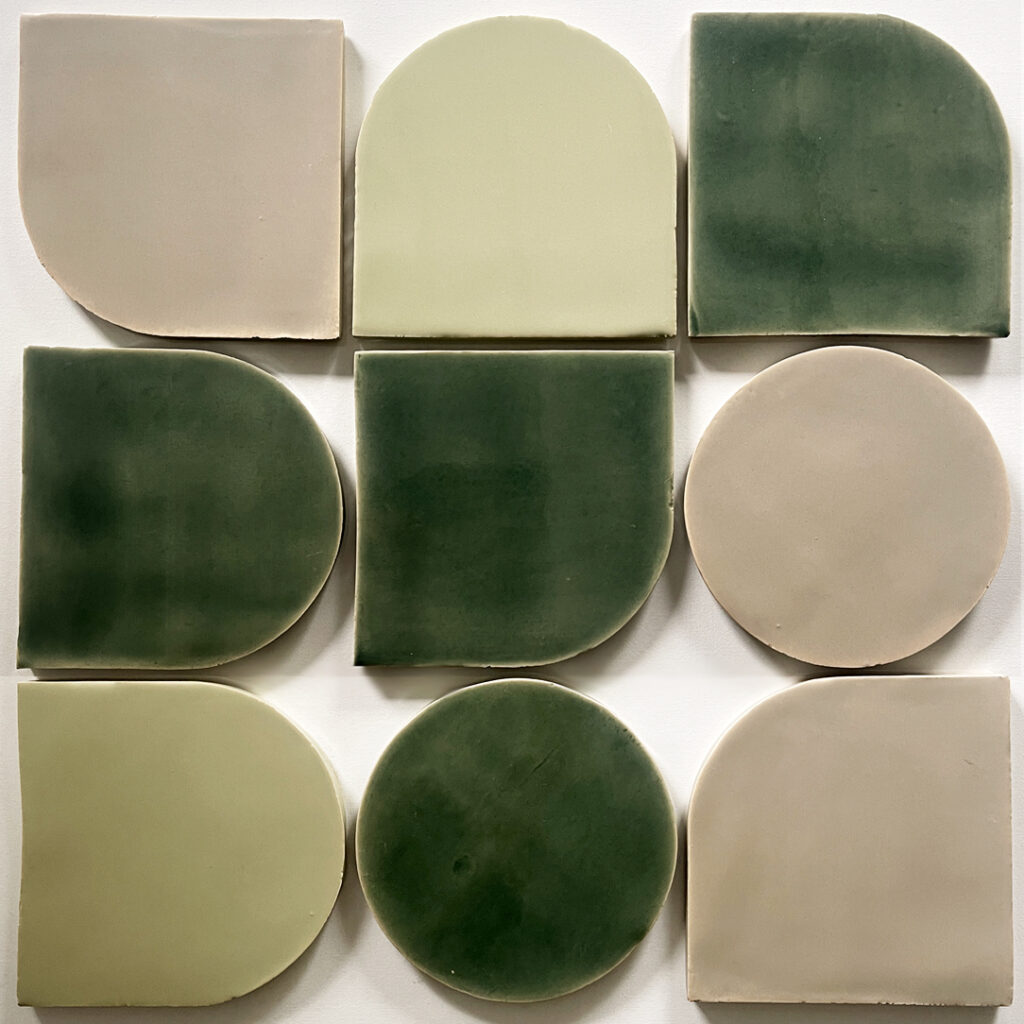
– Colour from the Relief range: around 30 solid glazes, with others on request.
Size
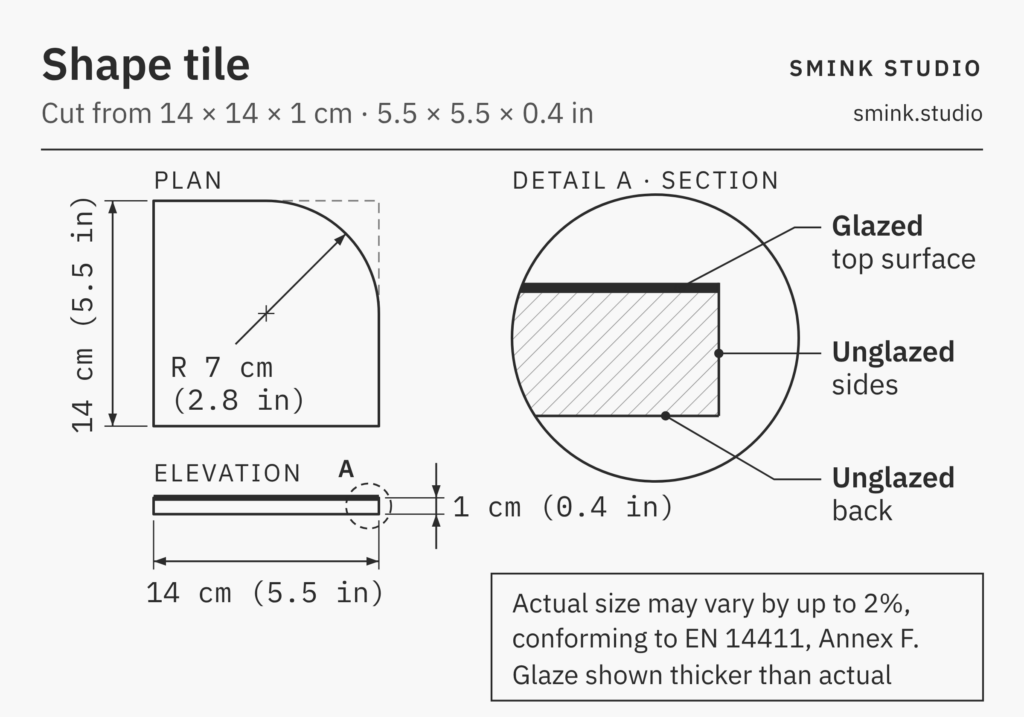
Measurements: approx 14 x 14cm / 5.5 x 5.5 inches on the longest sides. As with all handmade tiles, length and width can vary by up to 2%.
Thickness: 1 cm / 3/8 inch.
50 tiles per m2 / 4.65 tiles per sq. ft.
Shapes
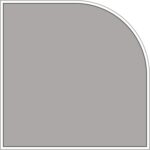
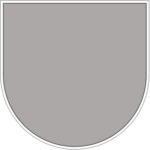
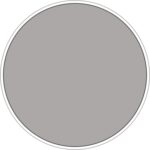
Three outlines: SH1, a square with one rounded corner; SH2, a square top with a semicircular base; SH3, a circle.
Glazes and designs
There are around 30 core colours on our Relief colour card (Relief glazes apply to Shape tiles); other glazes are available on request.
Each tile has one solid glaze.
Minimum 3 m² / 33 sq ft (about 150 tiles) per glaze colour.
Laying
Laid with open joints, the shapes stand out and give a tactile, three-dimensional wall. Filled, they appear as a flatter surface. Shape tiles suit feature walls, alcoves, stair walls and other spaces where a regular grid would feel too rigid. The spaces between the tiles are too wide for traditional grout but can be filled with a natural product such as lime mortar.
Characteristics
Shape tiles have characteristic differences to mass-produced tiles although they are more regular than our normal tiles because they are pressed. A small amount of unevenness in the surface is to be expected.
To start, tell us about your space and what inspires you.
Available tiles
Colours

Detail images

Useful information
- Format: three shapes, SH1, SH2 and SH3, handmade in Portugal.
- Finish: one solid glaze per tile.
- Uses: feature walls, alcoves and stair walls.
- Laying: open joints for depth, or filled for a flatter look.
- Made to order: shapes and colours combined for each project.
- Care: wipe with a damp cloth and a mild cleaner.
A question? A project? Advice?